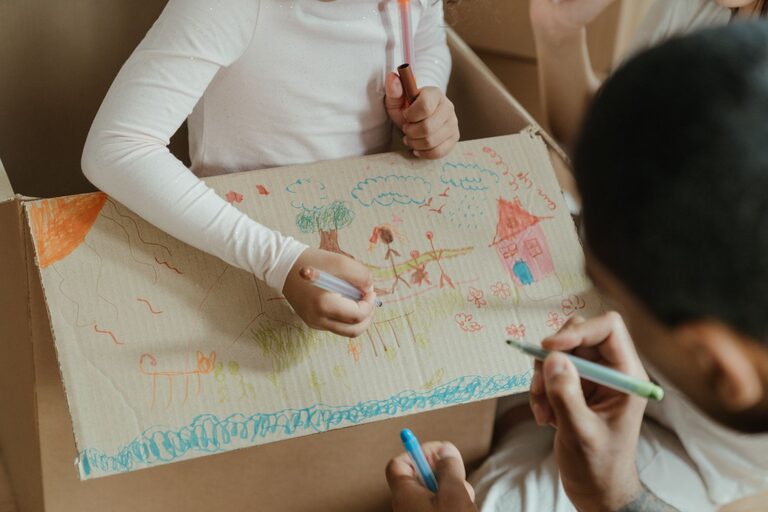
Every parent knows the joy of seeing their child’s artwork—from finger paintings to carefully coloured drawings. These precious creations are a window into a child’s imagination and development. However, as the collection grows, keeping all those masterpieces organised can quickly become a challenge. Without a system in place, artwork can pile up, become damaged, or get lost altogether.
If you want to celebrate your child’s creativity without letting the clutter take over, these handy tips for organising kids’ art will help you create an orderly, inspiring space that honours their efforts.
Why Organising Kids’ Art Matters
Before diving into practical ideas, it’s worth considering why keeping kids’ artwork organised is beneficial:
– Preserving Memories: Art is a record of your child’s growth and experiences.
– Reducing Clutter: An organised approach prevents piles of paper and craft materials from overwhelming your home.
– Encouraging Creativity: When art supplies and finished pieces are tidy, children can focus better and feel proud of their work.
– Easier Sharing: Stored artwork is simpler to show off to family and friends or to use for gifts and projects.
With these benefits in mind, here are creative and straightforward ways to keep your child’s art organised.
Create a Dedicated Art Space
Setting aside a specific area for art activities helps contain the mess and keeps supplies easily accessible.
– Choose a Corner or Table: Even a small table in the living room or kitchen can become an art zone.
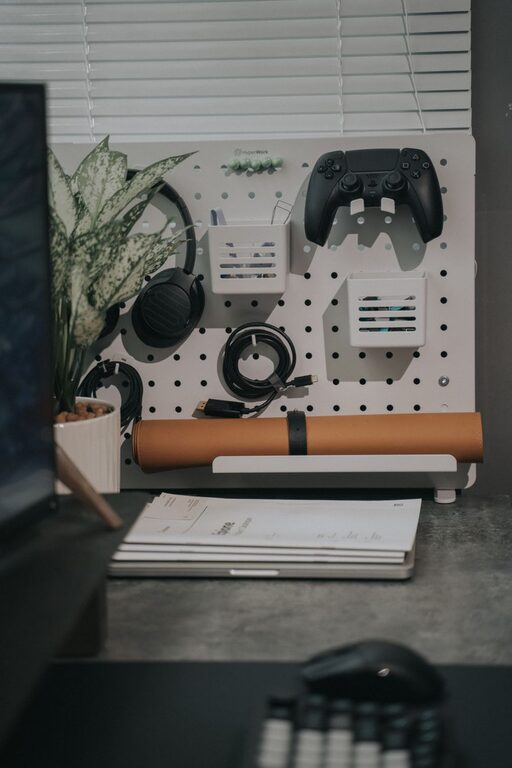
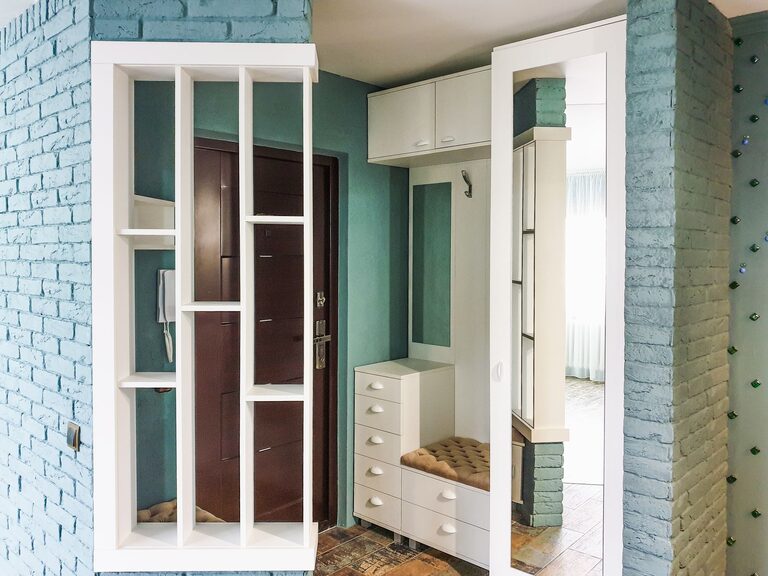
– Use Storage Bins and Shelves: Transparent boxes or colourful bins work well for storing paper, paints, crayons, and brushes.
– Involve Your Child: Let them choose containers or decorate their space, making it more enjoyable.
Sort and Categorise Artwork Regularly
Rather than letting pieces accumulate indefinitely, schedule routine sorting sessions.
– Sort by Date or Theme: Group artwork by school year, age, or subjects (e.g., animals, family portraits).
– Decide What to Keep: Involve your child in selecting favourite pieces to keep and others to recycle.
– Use a ‘Maybe’ Box: For uncertain items, use a temporary box and review it after a few months to decide if they should stay.
Use Practical Storage Solutions
Finding the right storage method makes all the difference.
Portfolios and Folders
– Purchase or make large, flat portfolios to hold drawings and paintings.
– Label each portfolio with your child’s name and the year.
– Encourage your child to place new artwork in the portfolio after completing it.
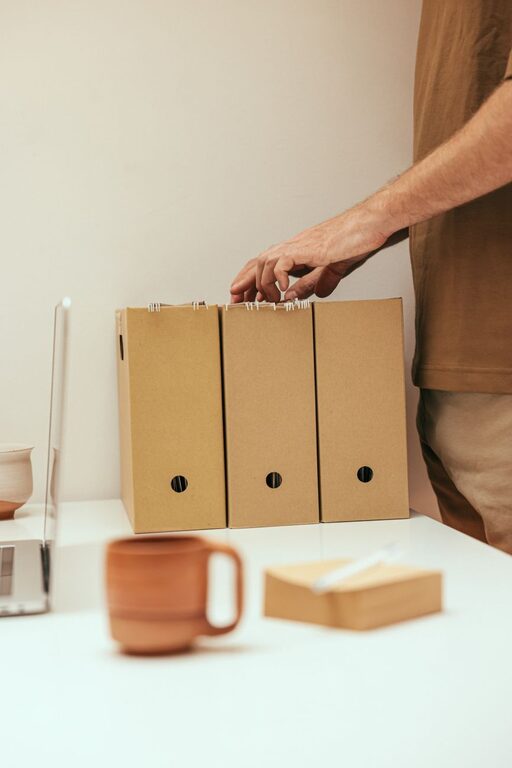
Filing Cabinets or Boxes
– Utilise a filing cabinet with folders for each child or year.
– Alternatively, sturdy cardboard boxes can hold bulkier craft projects.
Art Display Books
– Use clear pocket binders designed for artwork.
– This keeps pieces protected and easy to flip through.
Display Artwork Creatively
Showcasing current favourites motivates children and adds personality to your home.
– Wall Galleries: Frame pieces or use clipboards and string lines with pegs to create rotating displays.
– Art Collages: Combine smaller works into a large collage on a poster board.
– Digital Displays: Photograph artworks and create digital slideshows or prints for display.
Digitise Art to Save Space
For long-term storage and preservation, digitise your child’s artwork.
– Photograph or Scan: Use a smartphone or scanner to capture high-quality images.
– Create Digital Albums: Organise photos by date or theme on your computer, tablet, or cloud storage.
– Use Apps: There are apps designed to catalogue children’s art, often with options to create printed books.
Digitising lets you keep a record without physical clutter and makes sharing online easier.
Repurpose Artwork Into Gifts and Keepsakes
Turning art into useful items is a great way to celebrate creativity.
– Make Greeting Cards or Gift Tags: Cut and fold artwork to personalise presents.
– Create Calendars or Photo Books: Use scans to design keepsakes for family.
– Craft Wrapping Paper: Large drawings can be reused as colourful wrapping paper.
These ideas allow art to have a second life and spread joy beyond your home.
Maintain the System with Regular Reviews
To keep your organisation strategy effective:
– Set a monthly or quarterly reminder to review new artwork.
– Store seasonal or annual pieces together.
– Involve your child in tidying up and deciding what to keep or discard.
Consistency ensures the system doesn’t become overwhelming and teaches children valuable organisational skills.
Final Thoughts
Organising kids’ art doesn’t need to be complicated or time-consuming. A few simple strategies can keep your home tidy while encouraging your child’s artistic spirit. By dedicating a space, sorting regularly, using practical storage, and embracing display and digital options, you create an environment where creativity and organisation go hand in hand. These habits not only protect precious memories but also provide a sense of pride and accomplishment for your little artists.
Start today with one or two ideas and gradually build a system that works for your family. You’ll be amazed at how easy it is to manage the colourful chaos of kids’ artwork.