
Starting a gratitude journal is a wonderful way to focus on the positive aspects of life and nurture a sense of contentment. This simple habit can boost your mood, improve mental health, and encourage a more optimistic outlook. Whether you are new to journaling or looking for a fresh approach, here’s a clear guide on how to start your own gratitude journal.
What is a Gratitude Journal?
A gratitude journal is a personal diary where you regularly write down things you feel thankful for. It can include simple pleasures, meaningful experiences, kind gestures, or anything that brings you joy and appreciation.
The goal is to develop awareness of the good in your life, which can lead to increased happiness and reduced stress. Research has shown that practising gratitude can enhance emotional wellbeing and strengthen relationships.
Why Start a Gratitude Journal?
Many people find that gratitude journaling helps them:
– Shift their focus away from problems and negativity
– Recognise and appreciate everyday blessings
– Improve sleep quality by ending the day on a positive note
– Build resilience during difficult times
– Enhance overall life satisfaction
If you want to enjoy these benefits, creating a gratitude journal is a great place to start.
Choosing Your Journal
Before you begin, choose a journal that suits your style and preferences. Consider the following options:
– Physical notebook: A simple notebook or diary allows you to write by hand, which some find more personal and reflective.
– Digital journal: Apps or digital documents offer convenience and easy access on phones, tablets, or computers.
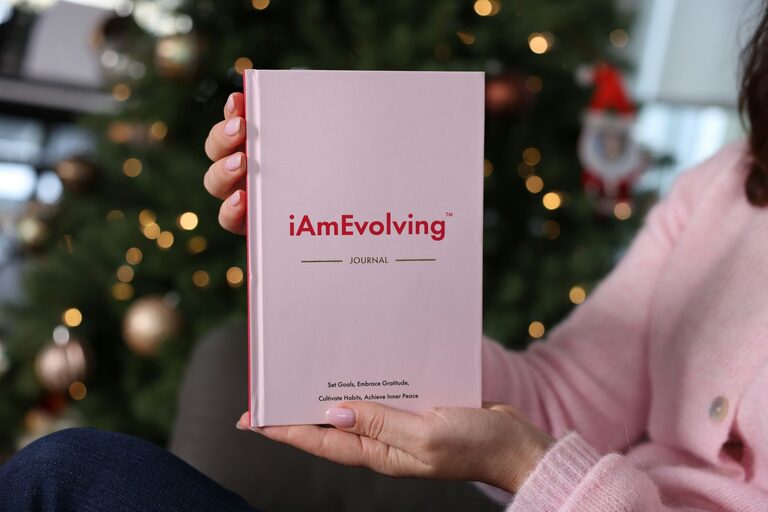
– Dedicated gratitude journal: Some journals have prompts and sections designed specifically for gratitude entries.
Pick whatever feels most comfortable and enjoyable for you, as this will encourage regular use.
When to Write: Best Times for Gratitude Journaling
Consistency is key for building a gratitude habit. Decide on a time that works best:
– Morning: Writing in the morning can set a positive tone for the day ahead.
– Evening: Reflecting on the day before bed can help you unwind and focus on what went well.
– Anytime: Some people write whenever inspiration strikes, but daily journaling tends to be more effective.
Try to choose a quiet moment when you won’t be disturbed, allowing you to connect fully with your thoughts.
How to Start Your First Entries
You don’t need to write long entries. Even a few sentences or bullet points are enough to get started. Here’s a simple step-by-step method:
Step 1: Find a Comfortable Spot
Sit in a peaceful place with your journal and a pen or device ready.
Step 2: Reflect on Your Day or Life
Think about recent experiences, people, or things that made you feel grateful. These could be as simple as a warm cup of tea, a smile from a stranger, or support from a friend.
Step 3: Write Down Three to Five Things
List a small number of specific things you appreciate. For example:
– “I’m grateful for my morning walk in the fresh air.”
– “I appreciate the encouragement from my colleague.”
– “I’m thankful for the cosy blanket on a chilly evening.”
Step 4: Add Details
Try to include why you are grateful for each item. This encourages deeper reflection and strengthens the emotional impact.
Step 5: Close Positively
End with a hopeful or positive statement, such as looking forward to tomorrow or acknowledging your progress.
Tips to Keep Your Gratitude Journal Going
It’s normal to feel stuck or skip days. Here are some helpful tips to maintain your gratitude practice:
– Set a reminder: Use alarms or calendar alerts to prompt journaling.
– Keep your journal accessible: Store it somewhere visible to encourage use.
– Mix up your entries: Try writing letters of thanks, drawing, or listing achievements.
– Pair with another habit: Combine journaling with your morning coffee or nightly routine.
– Be patient and gentle with yourself: It’s okay if some days feel harder than others.
Examples of Gratitude Journal Prompts
If you need inspiration, prompts can guide your writing:
– What made you smile today?
– Name three things you often take for granted.
– Who in your life are you grateful for and why?
– What challenges have helped you grow recently?
– Describe a simple pleasure you enjoyed this week.
Using prompts helps you explore different areas of your life and keeps journaling interesting.
Beyond Writing: Other Ways to Express Gratitude
While journaling is effective, you can also practise gratitude by:
– Saying thank you to people directly
– Performing small acts of kindness
– Meditating on positive experiences
– Creating art inspired by appreciation
These practices complement your journal and deepen gratitude in everyday life.
Final Thoughts
Starting a gratitude journal is a rewarding and straightforward way to cultivate positivity. By dedicating a few minutes each day to reflect on what you are thankful for, you can experience notable improvements in your emotional wellbeing. Remember, the key is consistency and sincerity—not perfection. Give it a try and enjoy the journey towards a more grateful and joyful life.