
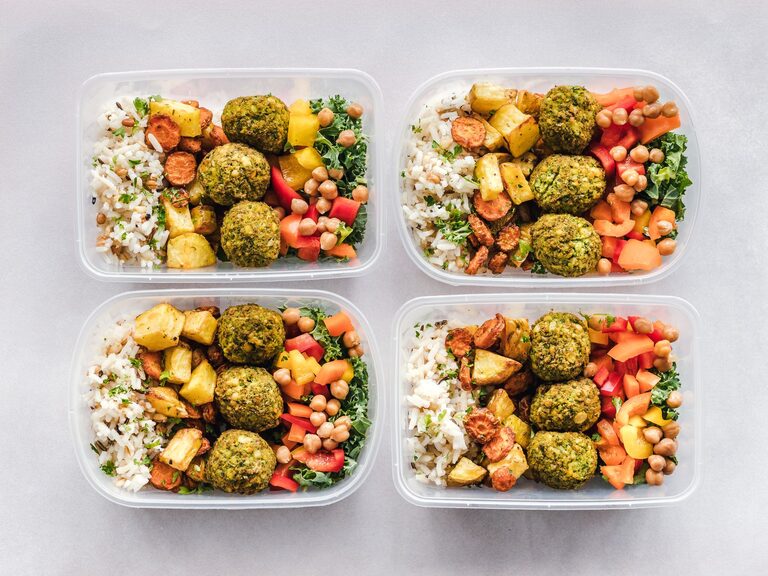
Planning balanced meals can sometimes feel overwhelming, especially with busy schedules and countless food choices. However, eating well doesn’t need to be complicated or stressful. With a few simple strategies, you can plan nutritious meals that fuel your body and satisfy your taste buds without spending hours in the kitchen or worrying about what to eat.
In this guide, we’ll walk you through straightforward steps to create balanced meals with ease. By understanding the basics of a balanced diet and organising your meals in advance, you’ll save time, reduce stress, and enjoy healthier eating habits.
What Is a Balanced Meal?
Before diving into planning, it’s important to know what makes a meal balanced. A balanced meal includes a variety of foods that provide essential nutrients:
– Protein: Helps build and repair tissues. Sources include lean meats, fish, eggs, beans, and tofu.
– Carbohydrates: Provide energy. Opt for whole grains like brown rice, quinoa, whole wheat bread, or oats.
– Fats: Support brain health and energy. Choose healthy fats such as olive oil, nuts, seeds, and avocado.
– Fibre: Aids digestion and keeps you full longer. Found in vegetables, fruits, legumes, and whole grains.
– Vitamins and minerals: Essential for overall health. Eating a colourful range of fruits and vegetables helps supply these.
A balanced meal typically contains a portion from each of these groups, ensuring your body gets what it needs.
Step 1: Keep It Simple and Flexible
You don’t need to follow strict rules or complicated recipes to eat healthily. Keep your meals simple by focusing on whole, minimally processed foods and combining different food groups on your plate.
Tip: Use the “plate method” as a visual guide:
– Half your plate with vegetables
– One quarter with protein
– One quarter with carbohydrates
This simple technique helps you balance your meal without measuring or counting calories.
Step 2: Plan Your Meals Ahead
Planning ahead is a great way to avoid last-minute scrambling, unhealthy takeaways, or skipping meals.
– Choose a planning day: Pick a day each week (Sunday is popular) to plan your meals.
– Make a meal plan: Write down what you’ll eat for breakfast, lunch, dinner, and snacks.
– Check your fridge and pantry: See what ingredients you already have.
– Prepare a shopping list: Include everything you need to buy.
Planning reduces food waste and helps you stay on track with healthy eating.
Step 3: Batch Cook and Pre-Prepare
Batch cooking saves time and stress on busy days. You can cook larger portions of meals and store them for later in the week.
Some batch-friendly meal ideas:
– Soups and stews
– Roasted vegetables
– Grains like quinoa or brown rice
– Grilled chicken or baked fish
– Cooked beans or lentils
Store food in portion-sized containers to reheat easily. You might also chop vegetables or pre-portion snacks in advance to speed up meal assembly.
Step 4: Keep a Well-Stocked Pantry and Fridge
Having essential ingredients on hand means you can whip up balanced meals quickly.
Healthy staples to keep in your pantry:
– Whole grains (brown rice, whole wheat pasta)
– Canned beans and lentils
– Nuts and seeds
– Olive oil and vinegar
– Herbs and spices
In your fridge and freezer, keep:
– Fresh or frozen vegetables
– Lean proteins (chicken, fish, eggs, tofu)
– Low-fat dairy or dairy alternatives
Step 5: Mix and Match Meals
Variety is key to balanced nutrition and keeps meals enjoyable. Think of your meal plan as a flexible template rather than a strict schedule.
Create simple combos like:
– Grilled chicken, steamed broccoli, and brown rice
– Lentil curry with mixed vegetables and flatbread
– Omelette with spinach and wholegrain toast
– Salmon with sweet potato and green beans
Rotate your favourite ingredients and try new recipes to keep things interesting.
Step 6: Listen to Your Body
Balanced eating is not just about nutrition but also about enjoyment and satisfaction.
– Eat when you’re hungry and stop when you feel comfortably full.
– Don’t be afraid to adjust meal timing or portions to suit your lifestyle.
– Include occasional treats—balance is about consistency, not perfection.
Additional Tips to Reduce Stress
– Use simple recipes: Choose meals with minimal ingredients and straightforward steps.
– Cook with others: Involve family or friends to make cooking more enjoyable.
– Set realistic goals: Don’t aim for perfect meals every day; small improvements add up over time.
– Stay organised: Keep your kitchen tidy and labelled to find ingredients easily.
– Keep handy recipes: Have go-to meals saved on your phone or a notebook for inspiration.
Summary
Planning balanced meals without stress is achievable by focusing on simple, flexible approaches. Knowing what makes a balanced meal, planning ahead, batch cooking, and keeping a well-stocked kitchen are all tools that can help you eat well with less hassle. Remember, balanced eating is about variety, nourishment, and enjoyment — not pressure or perfection.
By using the tips in this guide, you’ll be well on your way to creating meals that support your health and fit your lifestyle, all while keeping mealtime stress to a minimum. Happy cooking!